

DEGASSING VALVE



How Does It Works?
The valve consist of a valve body and a membrane. Even a very slight over-pressure in the
package
cause the membrane to bulge. As the over-pressure is increasing, the membrane rises at the one
valve
location until a channel is formed through which the gases can escape to the outside. After the
gas
has been successfully vented and the pressure is compensated, the valve closes and the membrane
lies
once again against the valve body. The content is reliably protected against external oxidation.
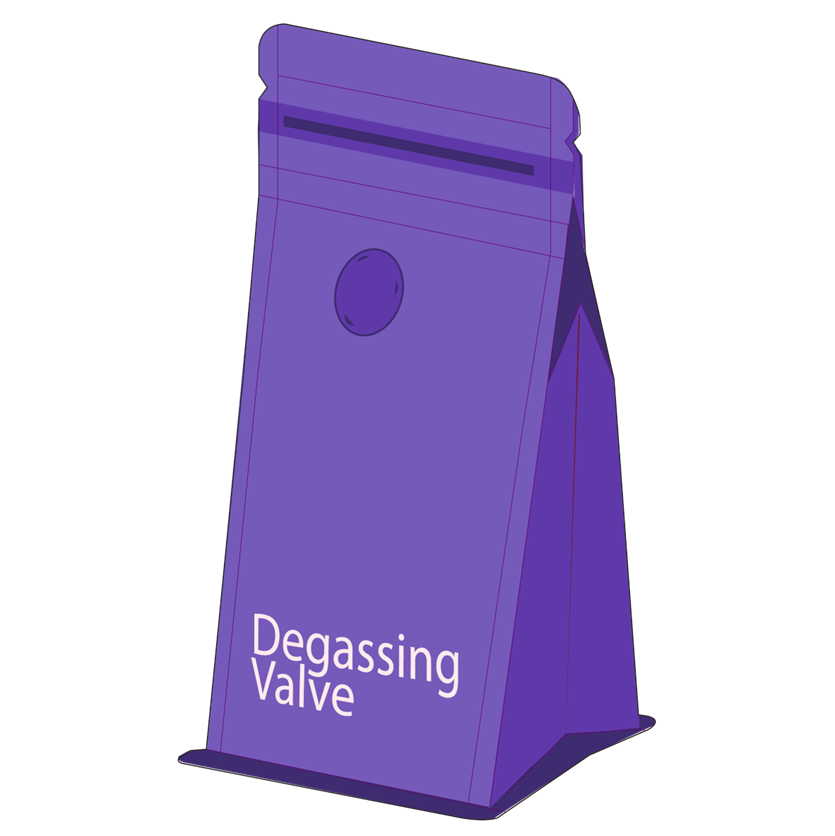
Preserve, release, perfection sealedIn flexible packaging, a degassing valve is a
small, one-way valve that allows gases to escape from the package without letting air back in.
This
helps to preserve the freshness and quality of the packaged product.The degassing valve is
typically
made of plastic and is applied to the package during the manufacturing process. It is commonly
used
in packaging for coffee, tea, dried fruits, nuts, and other products that release gases as they
age.
The valve allows the gases to escape, slowing down the oxidation process and extending the shelf
life of the product.The valve consist of a valve body and a membrane. Even a very slight
over-pressure in the package cause the membrane to bulge. As the over-pressure is increasing,
the
membrane rises at the one valve location until a channel is formed through which the gases can
escape to the outside. After the gas has been successfully vented and the pressure is
compensated,
the valve closes and the membrane lies once again against the valve body. The content is
reliably
protected against external oxidation.The valve was initially designed for coffee industry
because
freshly roasted coffee beans naturally produces large amount of gas, composed primarily of
carbon
dioxide (CO2). They are vulnerable to attack by oxygen ingress into the package. One way
degassing
valve will prevent over pressurization of the package.